




Introduction
Waterways have long been the lifeblood of civilizations, serving as essential routes for trade, transportation, and sustenance. The management of these waterways is critical not only for maintaining navigable routes but also for preventing flooding and protecting delicate ecosystems. Dredge engineering plays a pivotal role in ensuring that these waterways remain functional and safe. This article explores the profound impact of dredge engineering on waterway management, focusing on its importance, methodologies, and environmental considerations while also examining key dredge engineering solutions and their implications.
The Importance of Waterway Management
Role in Economic Development
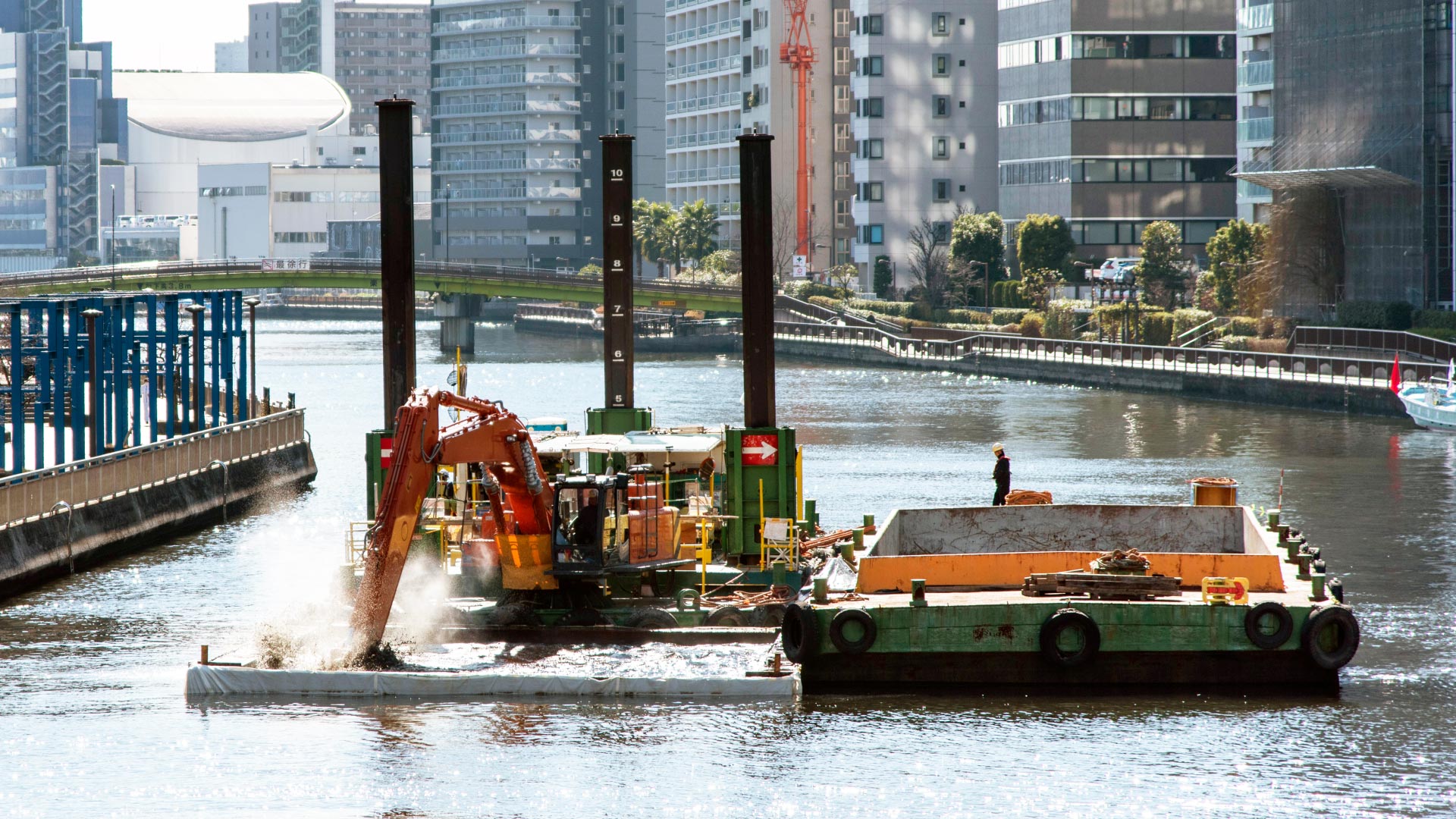
Dredge engineering is essential in these waterways to maintain the depth and width necessary for large commercial vessels. Without regular dredging, sediment buildup can reduce navigability, leading to delays and increased costs for businesses relying on water transport. Thus, dredge engineering directly impacts the efficiency and reliability of trade routes, underscoring its importance in economic development.
Environmental Protection
Balancing the needs of economic development with environmental protection is a significant challenge. Dredging, if not done responsibly, can disrupt ecosystems by destroying habitats, altering water flow, and releasing toxins trapped in sediments. However, with careful planning and modern techniques, dredge engineering can minimize environmental impact while maintaining the essential functions of waterways. Marine dredge engineering practices, in particular, have evolved to address these challenges, ensuring that economic activities and environmental preservation can coexist.
Overview of Dredge Engineering
What is Dredge Engineering?
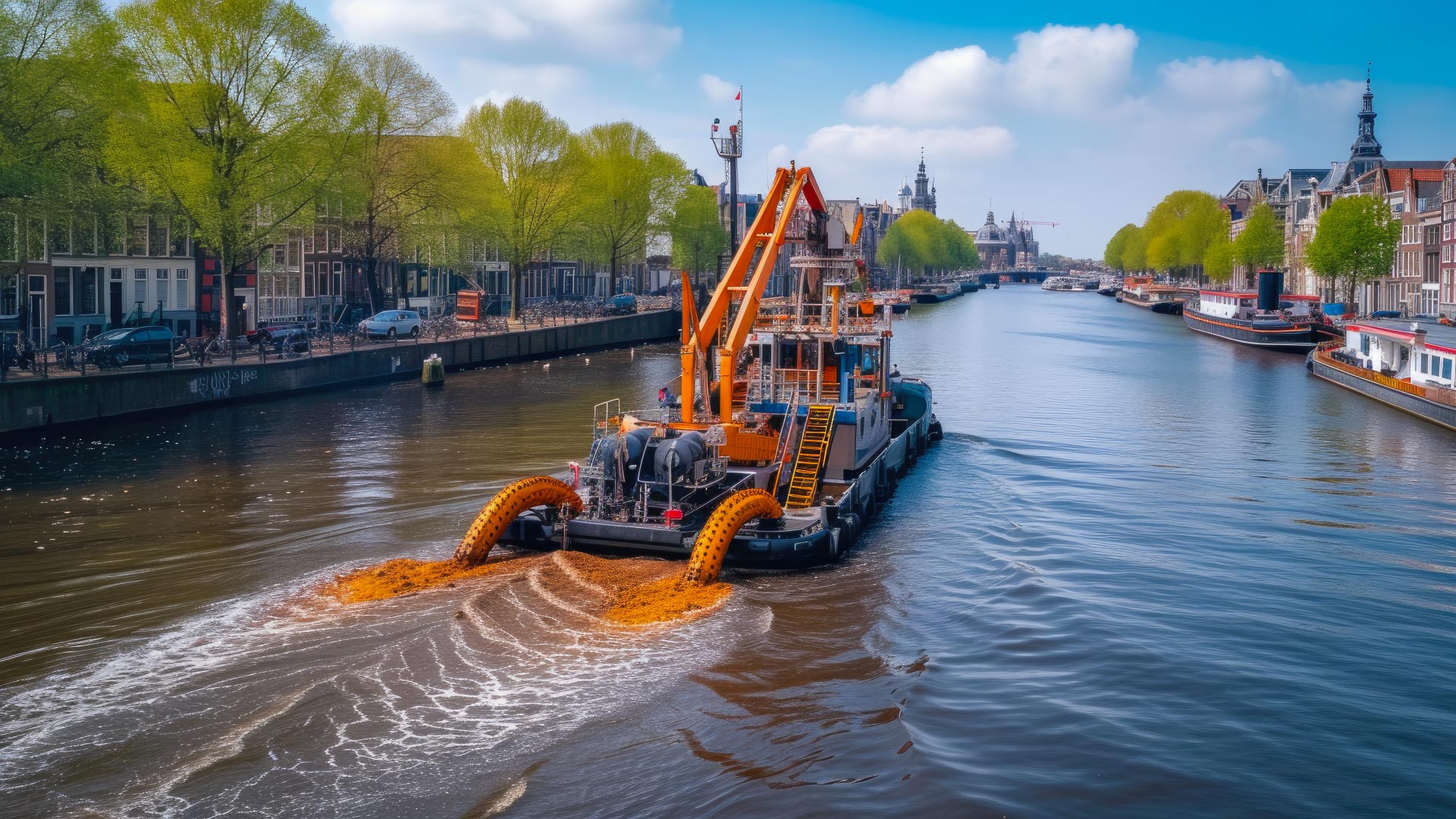
Dredge engineering involves the removal of sediments and debris from the bottom of rivers, lakes, harbors, and other water bodies. This process is crucial for maintaining navigable waterways, preventing flooding, and protecting aquatic ecosystems. Dredging can also be used for land reclamation, beach restoration, and environmental cleanup.
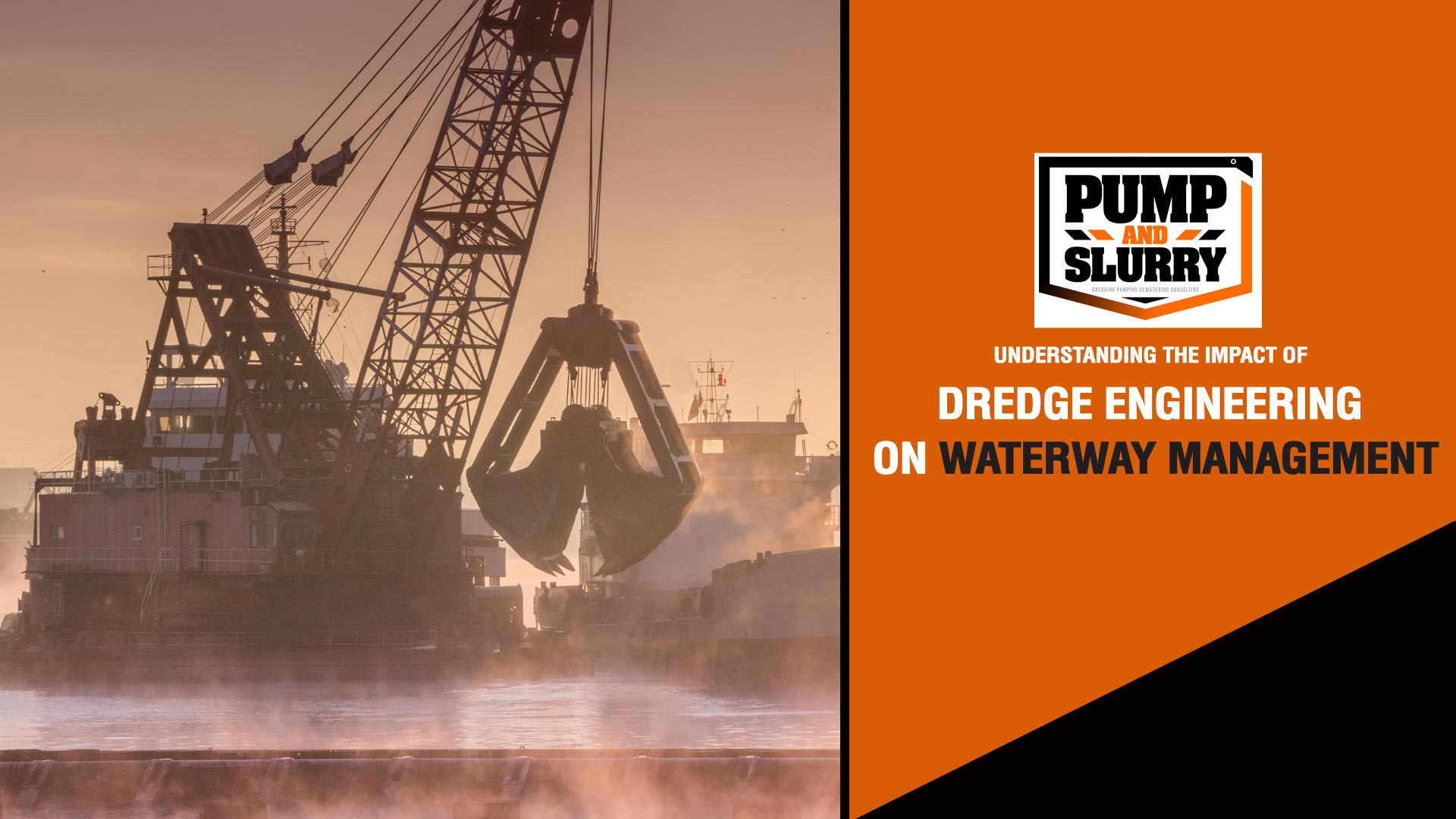
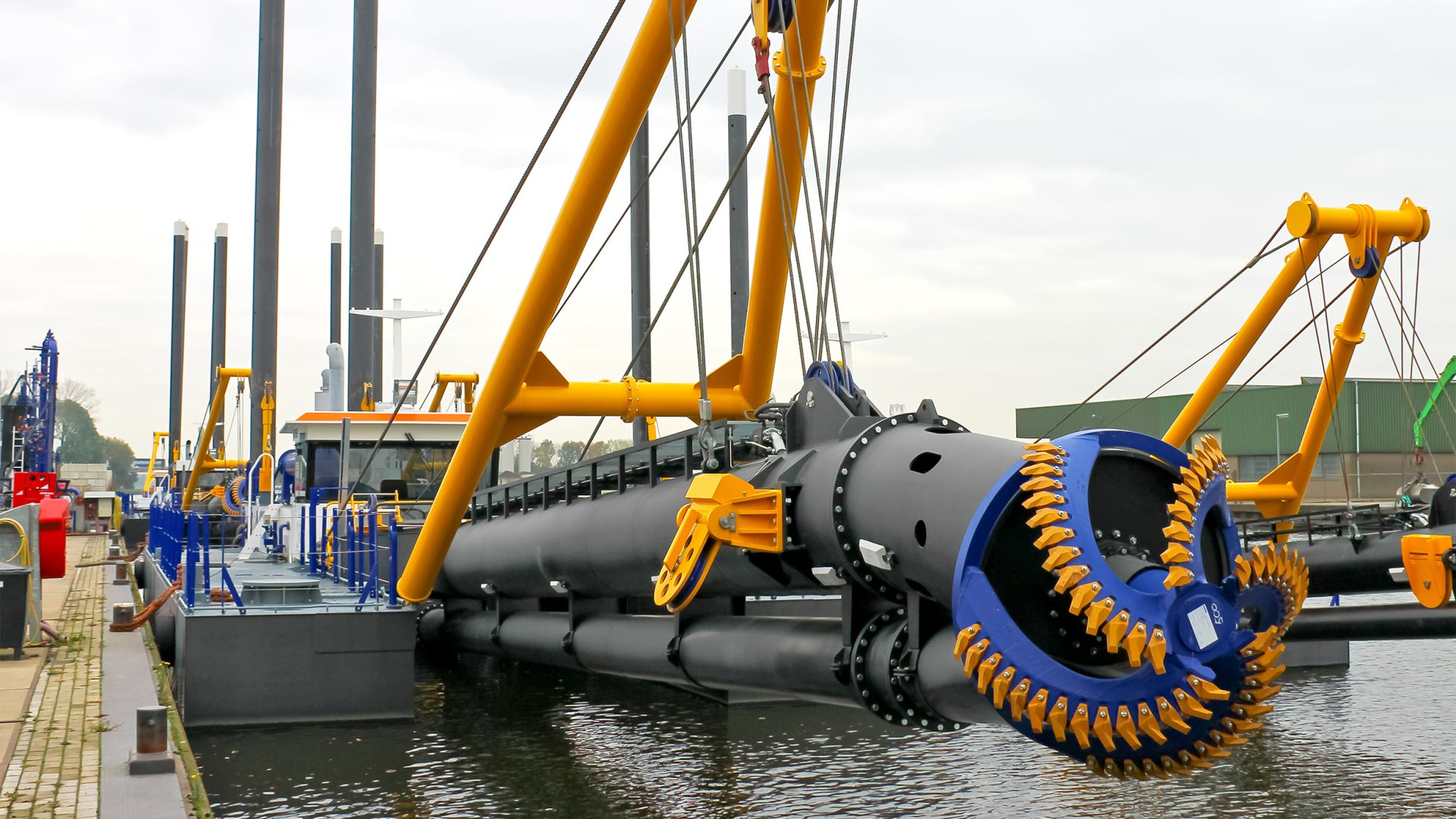
Different types of dredging equipment are used depending on the specific needs of a project. For example, mechanical dredgers, such as clamshells and backhoes, are often used for precise excavation in confined areas. Hydraulic dredgers, like cutter suction dredgers, are more suitable for large-scale projects requiring the removal of vast quantities of sediment. Each type of dredging equipment has its advantages and is selected based on the project’s goals and environmental considerations. Dredging project engineering requires careful selection of these methods to meet specific project objectives.
Key Techniques in Dredging
Dredging techniques vary widely, each tailored to specific conditions and objectives. Mechanical dredging involves the use of machinery to scoop or dig sediments, making it ideal for areas where precision is required. Hydraulic dredging, on the other hand, uses suction to remove sediment and is often employed in larger projects where the goal is to move large amounts of material quickly.
Environmental dredging is a specialized technique designed to minimize ecological disruption. This method often involves the use of equipment that can carefully remove contaminated sediments without disturbing the surrounding environment. Real-world projects, such as the Hudson River cleanup in New York, have successfully employed environmental dredging to remove pollutants while protecting local wildlife. These dredge engineering solutions highlight the versatility and importance of tailored approaches in dredging project engineering.
Impact of Dredge Engineering on Waterway Management
Enhancing Navigability
One of the primary functions of dredging is to maintain or enhance the navigability of waterways. Sediment buildup can create shallow areas that impede the passage of vessels, leading to potential hazards and inefficiencies. Dredging ensures that channels remain deep and wide enough for commercial and recreational vessels to pass safely.
For example, the Panama Canal, one of the world’s most crucial shipping routes, relies on regular dredging to accommodate the ever-increasing size of cargo ships. Without such efforts, the canal would quickly become impassable, disrupting global trade. Dredge engineering solutions are critical in ensuring the continuous flow of maritime traffic in such vital waterways.
Flood Prevention and Control
Flooding is a significant risk in many areas, especially those near rivers and coastal regions. Dredging can help mitigate this risk by removing excess sediment that might otherwise obstruct water flow. By maintaining the natural capacity of rivers and other waterways, dredging helps reduce the likelihood of flooding during heavy rainfall or storms.
The Netherlands, a country largely below sea level, employs extensive dredging to prevent flooding. Their advanced water management system, which includes regular dredging, has successfully protected the country from floods for decades. This is a prime example of dredge engineering being integrated with broader water management strategies to protect vulnerable regions.
Sediment Management
Sediment management is another critical aspect of dredging. Over time, sediment accumulates in waterways, potentially leading to reduced water quality and disrupted ecosystems. Dredging helps manage this sediment, ensuring that it does not reach levels that could harm the environment or impede water flow.
Sustainable sediment management practices are essential to balancing the needs of waterway maintenance with environmental protection. These practices include carefully planned dredging schedules, the use of eco-friendly equipment, and the responsible disposal of dredged material. Marine dredge engineering plays a vital role in developing these practices to ensure that sediment management is effective and sustainable.
Environmental Considerations in Dredge Engineering
Mitigating Environmental Impact
Dredging can have significant environmental impacts if not carefully managed. These include habitat destruction, water pollution, and the release of toxic substances trapped in sediments. To mitigate these effects, dredge engineering must be conducted with a strong focus on environmental responsibility.
Regulatory frameworks, such as the Clean Water Act in the United States, set strict guidelines for dredging activities. These regulations ensure that dredging projects are planned and executed in a manner that minimizes harm to the environment. Dredging project engineering must adhere to these guidelines to balance operational goals with environmental stewardship.
Sustainable Dredging Practices
Sustainable dredging practices are increasingly being adopted to reduce the environmental footprint of dredging activities. These practices include using low-impact dredging techniques, restoring habitats after dredging, and incorporating ecological monitoring into dredging projects.
Innovations in dredging technology are also contributing to more sustainable practices. For example, new types of dredgers are being developed that are more efficient and less disruptive to the environment, helping to ensure that dredging can continue to support waterway management without compromising ecological health. Marine dredge engineering is at the forefront of these technological advancements, promoting more sustainable approaches in the industry.
Future Trends in Dredge Engineering and Waterway Management
Technological Advancements
As technology continues to advance, so too does the field of dredge engineering. Emerging technologies, such as autonomous dredgers and real-time monitoring systems, are making dredging more efficient and less harmful to the environment. These advancements hold the promise of transforming waterway management, making it more effective and sustainable.
Integrated Waterway Management Approaches
The future of waterway management lies in a holistic approach that integrates dredging with other management practices. This includes combining dredging with flood control, habitat restoration, and water quality management. Such an integrated approach ensures that waterways are managed in a way that meets economic needs while protecting and enhancing the environment.
Conclusion
Dredge engineering is a critical component of waterway management, with far-reaching impacts on navigation, flood prevention, sediment management, and environmental protection. As we look to the future, it is essential to prioritize sustainable dredging practices and leverage emerging technologies to ensure that our waterways continue to serve their vital functions. By doing so, we can balance the demands of economic development with the need to protect our planet’s natural resources, ensuring that our waterways remain healthy and navigable for generations to come. Through the application of advanced dredge engineering solutions and marine dredge engineering practices, we can achieve this balance and secure the future of our waterways.